Deprivation
"I grabbed the small Little Tykes kid’s stool and it made me just tall enough to hoist myself up onto the counter to access the cabinet that held the peanut butter. I would put the stool back and run into the living room with the tub of creamy Jif."

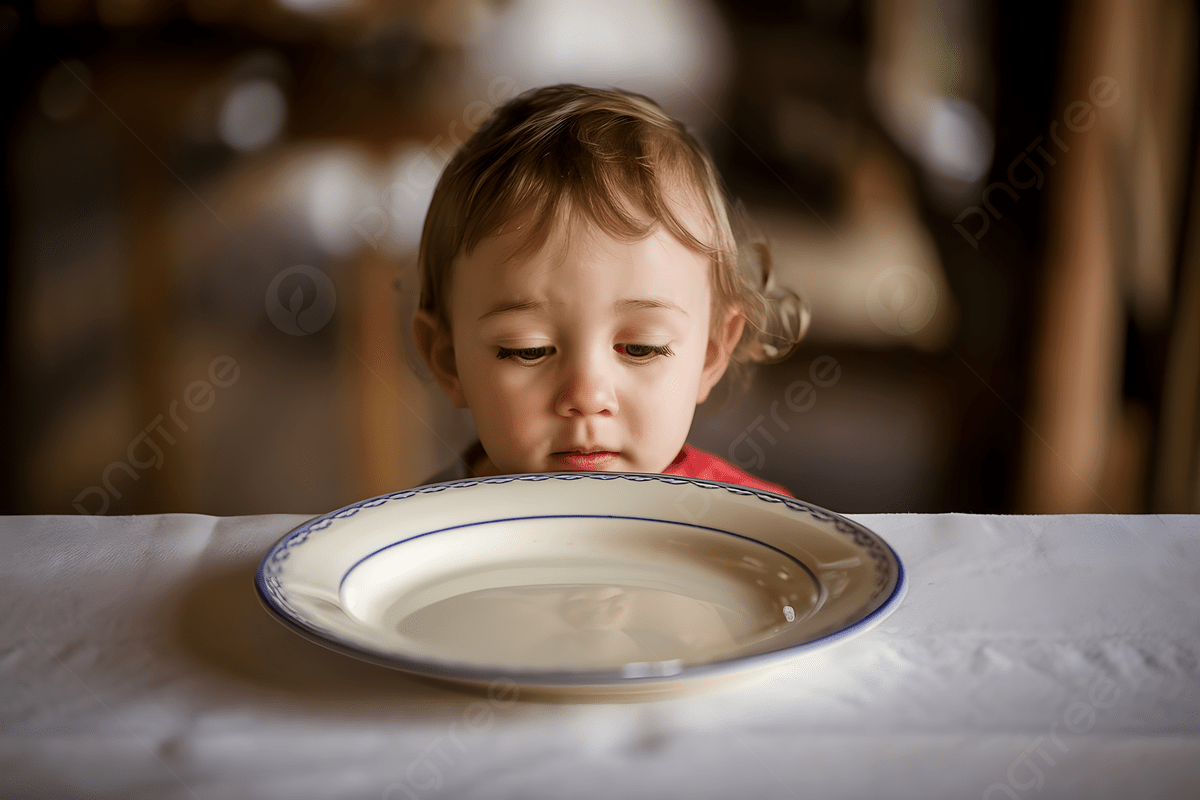
Food. It’s what fuels us for the day, what helps us think, supports our muscles, and plenty of other things. But who would believe that a child growing up in a household with a low-median income would be going hungry?
We got food sometimes, it just wasn’t regularly. I didn’t grow up knowing that most folks ate 2-3 times a day, because I didn’t. When we would go to my grandparents’ house I would always be so stuffed because I wasn’t used to eating three meals a day. And my grandparents gave us something to drink every meal also, something that was a commodity in our house.
My very first memory of asking for something to eat or drink happened when I was two. I’m sure plenty of folks will say that it’s impossible to remember things at that age, but it’s not, actually. Either way, it’s the only thing I remember from age 2.
My mother was in the kitchen washing dishes and my father was outside mowing the lawn. I was at the baby gate that separated the downstairs hallway and the kitchen, crying for juice. My mother told me to wait because she had her hands in dish water. But I was two years old, and two-year-olds don’t understand “wait.”
My father came in from mowing the lawn, and he walked into the house from the back side door that went right into the kitchen and dining area.
“Billy, take care of her!” my mother said with her choppy, impatient tone.
Without hesitation, my father came over and backhanded me in the face. That didn’t help the crying. But it’s the only time he hit me in the face because he learned right away how impressionable my skin was.
My mom didn't always cook, and then my father would feed himself and not us, unless he was having macaroni and cheese from the box, hot dogs, or hamburgers, as he sometimes did. The weekends were the worst because if we ate anything it was dinner, because that's all my mom would eat, if she did.
Starting when I was four, and continuing for several years, I used to steal the peanut butter when my parents were out on the patio. They frequently left us alone inside while they got drunk outside. We weren’t allowed to come outside during those times. I took advantage of this. I grabbed the small Little Tikes kid’s stool and it made me just tall enough to hoist myself up onto the counter to access the cabinet that held the peanut butter. I would put the stool back and run into the living room with the tub of creamy Jif.
While my parents stayed outside, I sat in front of the TV watching Madeline and using my finger as a spoon in the peanut butter. I couldn’t get enough of it. But if I heard that back door open, I quickly would hide it somewhere for fear of getting punished for “stealing.”
My mom made me a sandwich with two slices of cheese and yellow mustard for school in kindergarten and first grade. I didn’t get anything to drink most of the time, but she did give me milk money, which was nice. Somewhere down the line, a friend who lived in our neighborhood started sharing her lunch with me because she got two of everything.
After school in kindergarten and first grade, I went to the house of one of my babysitters (we had so many) until my mom got off work. At the babysitter’s house, I was given an after school snack. That babysitter had so many cool snacks like Goldfish and candy and Dixie ice cream cups. The babysitter’s house I went to after school past first grade also gave us after school snacks. So at least I was fed little things here and there between being at home.
After school we went to the Club and most nights stayed ‘til closing at 2 am. As I said before, we were usually allowed two bags of chips and two cans of soda, totaling $6 to feed both my younger brother and I. Sometimes, though, we stayed home with a babysitter, but that didn’t start happening regularly until I was about 7.
On babysitter nights, usually Tuesdays or Thursdays (occasionally even both nights), we got to eat pizza. It became the only night we were guaranteed dinner after a certain point, because my mom had stopped cooking almost altogether. I was able to eat half a pie by age 9, and a full pie by age 12. The eating patterns I’d acquired by growing up the way I did were ones that ended up fostering an eating disorder.
When I was 11, I got caught stealing snacks from the cart at school during lunch. I had lunch money sometimes, but I didn’t usually get to the cafeteria in time to get on the line at a decent spot. I was always in the back, waiting forever, and by the time I got the food, it was almost time to finish eating. Sometimes I would get a tray despite this, but I struggle(d) with not finishing what’s on my plate, no matter how full I am or how much time is left. So I either didn’t get anything or I shoveled food in my mouth like it was a contest because I was trying to beat the bell.
Around the same time, I began hoarding food. I would steal ice pops from the freezer when we got them, even though they would melt. I put them in cups and kept them under my bed so at least I would have the juice. And they were basically sugar water, which was immediately appealing to someone who needed quick energy constantly because I wasn’t getting enough from real food. I would take things one at a time and hide them in my room. When my parents were outside, I hid my wrappers underneath the trash that was sitting on top of the can so they would never notice.
By the time I was 15, I was fully immersed in my eating disorder. I worked around food (in an ice cream shop), but I refused to eat it. My mother at this point wasn’t buying food as much, and anything that did come into the house was consumed by my jobless father and older brother while myself, my mother, and younger brother were all at work and school. I began hiding food in an old 30-pack beer box in the basement for my younger brother to have access to. I would put non-perishable food in it and stuff it under the laundry pile. No one but my mother and I went down there anyway. My younger brother would go retrieve some food to bring to his room while my father and older brother were asleep. I got Pop-Tarts, single-serving cereal packages, even 8 oz. milk cartons from school that were going to expire within a few days over the weekend. I was just worried about my younger brother getting enough to eat. I didn’t care about anyone else, including myself, at that point.
Being neurodivergent, I also struggle with hunger cues, and it’s easy for me to forget to eat when I get lost in a project, a book, a show, etc. In addition, I have developed some health issues that affect the way I’m able to eat and what I can eat. I have two issues—gastroparesis and diabetes type II—that have conflicting diets. Gastroparesis greatly limits my fiber intake, which is what the diet for diabetes calls for. For both, I am supposed to eat six small meals a day, spreading out my macro nutrients. But it’s very difficult for me to keep track of three meals, let alone six. So for now, I’m stuck in a vicious cycle until I fix it.
My relationship with food is one that’s been long, difficult, and testing. It’s ongoing. I wonder sometimes if it would have been different if my upbringing weren’t so neglectful. I still struggle balancing my intake, taking care of my sugars, eating the right things. Having to control my food in any way is triggering for me.
I do my best. I always just try to do my best.